
"Confucian education"
3440 article(s) found

Coffee shops in Singapore promote Di Zi Gui
Several coffee shop owners in Singapore have devoted themselves to promoting the "disciple rule" culture after doing business, Singapore's Lianhe Zaobao reported.

The ratio of Chinese tea to western coffee culture
Tea, coffee and cola are called the three largest drinks in the world, and the largest consumption is tea and coffee. Coffee plays an irreplaceable role in the life of westerners, no matter in school, company, shopping mall or at home, everyone enjoys it with a coffee cup, while tea is deeply rooted in Chinese life, it is not only a kind of drink, but also carries Chinese culture. Tea and coffee represent
Common sense of Coffee Culture Tea Culture History and Coffee Culture History
Tea, coffee and cola are called the three largest drinks in the world, and the largest consumption is tea and coffee. Coffee plays an irreplaceable role in the life of westerners, no matter in school, company, shopping mall or at home, everyone enjoys it with a coffee cup, while tea is deeply rooted in Chinese life, it is not only a kind of drink, but also carries Chinese culture. Tea and coffee represent
Comparison of Tea and Coffee the ratio of Chinese Tea and Western Coffee Culture
Tea, coffee and cola are called the three largest drinks in the world, and the largest consumption is tea and coffee. Coffee plays an irreplaceable role in the life of westerners, no matter in school, company, shopping mall or at home, everyone enjoys it with a coffee cup, while tea is deeply rooted in Chinese life, it is not only a kind of drink, but also carries Chinese culture. Tea and coffee represent
An introduction to the Historical and Cultural Origin of Coffee cultivation in China
The historical and cultural origin of Chinese coffee cultivation introduced the influence of Ma Yuan incident, which made Jiasu famous in Korea. This kind of fruit, which was evaluated by the son of Heaven to overcome suffering, has become a symbol of loyalty and hard work for the country. All the courtiers are loyal to Jiasu, and the more bitter the better, some even call it Suwu in the grass. Zhang Heng two Beijing Fu Yun: thousands of goods and ten thousand officials, has been done and "frequently save, lift" and

Common sense of Coffee Culture the ratio of Chinese tea to western coffee culture
Tea, coffee and cola are called the three largest drinks in the world, and the largest consumption is tea and coffee. Coffee plays an irreplaceable role in the life of westerners, no matter in school, company, shopping mall or at home, everyone enjoys it with a coffee cup, while tea is deeply rooted in Chinese life, it is not only a kind of drink, but also carries Chinese culture. Tea and coffee represent
Chinese Tea and Western Coffee Culture
Tea, coffee and cola are called the three largest drinks in the world, and the largest consumption is tea and coffee. Coffee plays an irreplaceable role in the life of westerners, no matter in school, company, shopping mall or at home, everyone enjoys it with a coffee cup, while tea is deeply rooted in Chinese life, it is not only a kind of drink, but also carries Chinese culture. Tea and coffee represent

Through a cup of tea and coffee taste different philosophy of life
Exchange of professional baristas Please follow the coffee workshop (Wechat official account cafe_style) Wenqing, which has become a synonym for many young people, whether it is walking in the streets with an art atmosphere to take pictures and clock in; or in the elegant style of Tea Street to taste the fragrance of tea; even holding a book in the design of the coffee shop chewing books in the text, this is the daily life of Wenqing. It used to be easy
A comparison between Chinese Tea and Western Coffee Culture
Tea, coffee and cola are called the three largest drinks in the world, and the largest consumption is tea and coffee. Coffee plays an irreplaceable role in the life of westerners, no matter in school, company, shopping mall or at home, everyone enjoys it with a coffee cup, while tea is deeply rooted in Chinese life, it is not only a kind of drink, but also carries Chinese culture. Tea and coffee represent
General knowledge of Chinese Tea and Western Coffee Culture
Tea, coffee and cola are called the three largest drinks in the world, and the largest consumption is tea and coffee. Coffee plays an irreplaceable role in the life of westerners, no matter in school, company, shopping mall or at home, everyone enjoys it with a coffee cup, while tea is deeply rooted in Chinese life, it is not only a kind of drink, but also carries Chinese culture. Tea and coffee represent

The influence of Coffee Culture on Chinese Tea and Western Coffee Culture
Tea, coffee and cola are called the three largest drinks in the world, and the largest consumption is tea and coffee. Coffee plays an irreplaceable role in the life of westerners, no matter in school, company, shopping mall or at home, everyone enjoys it with a coffee cup, while tea is deeply rooted in Chinese life, it is not only a kind of drink, but also carries Chinese culture. Tea and coffee represent

How many years of history is the origin of Chinese tea? tea mainly goes through those three development processes.
According to the records of the Huayang Kingdom, when the emperor Wu Zhou conquered the Shang Dynasty around 1057 BC, tea entered the Central Plains and spread as a tribute to the southwest. Due to the inconvenient transportation at that time, the southwest was far away from the Central Plains, and when the tribute tea arrived in the capital, the tea was not fresh, so people had to process the tea to make dry tea. So, what are these dried teas for? Food
Taipei Confucius Temple drinks coffee and appreciates calligraphy and sells light food.
According to Taiwan media reports, the souvenir sales department of the Confucius Temple in Taipei has reopened and moved back to the souvenir department on both sides of the first floor of Minglun Hall, which is divided into a souvenir department and a light food department, creating shopping and light food space with bright lights and artistic decoration. According to reports, the souvenir department continues to promote Confucian literary and creative goods, and the latest series of creative lights in the Analects of Confucius art, there are three kinds of feet from small night lights to standing lights
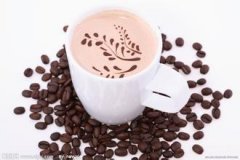
Think: Starbucks doesn't sell coffee.
If you think Louis Vuitton sells women's handbags, Giordano sells casual clothes, Esprit sells mid-range fashion, Starbucks sells coffee, and Peking University sells academics. That would be wrong. Zeng Guofan, the most respected Neo-Confucianism master in modern China, when he organized the Hunan Army to clean up the Taiping Army, the Taiping Heavenly Kingdom was like the water that broke the dike, which soon cleaned up the southeast half of the wall and the Manchu Dynasty.
Chinese tea and western coffee culture-2
(3) the unity of heaven, earth and man in tea culture and coffee culture the dichotomy of tea culture is the Taoist theory of the unity of heaven, earth and man. Taoism believes that heaven, earth and man are equal and should adapt to nature and take the initiative to understand the law, so that people can get the greatest satisfaction. Tea comes from the forest of the mountains, receives the essence of heaven and earth, and bears the rain and dew of abundant soil, which contains Taoism's indifference, serenity and return to nature.

Coffee Culture Influence: Chinese Tea and Western Coffee Culture
(3)Tea culture of heaven, earth, human unity and coffee culture of heaven and man dichotomy tea culture is heaven, earth, human unity taoist doctrine. Taoism believes that heaven, earth and man are equal, and should adapt to nature and actively understand the law, so that people can get the greatest satisfaction. Tea is produced in the forest of the mountains. It receives the essence of heaven and earth and the rain dew of abundant earth. It contains Taoism's indifference, tranquility and return to nature.
A comparison between Chinese Tea and Western Coffee Culture
(3) the unity of heaven, earth and man in tea culture and coffee culture the dichotomy of tea culture is the Taoist theory of the unity of heaven, earth and man. Taoism believes that heaven, earth and man are equal and should adapt to nature and take the initiative to understand the law, so that people can get the greatest satisfaction. Tea comes from the forest of the mountains, receives the essence of heaven and earth, and bears the rain and dew of abundant soil, which contains Taoism's indifference, serenity and return to nature.
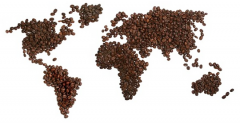
Chinese Coffee History Chinese Tea and Western Coffee Culture
(3) the unity of heaven, earth and man in tea culture and coffee culture the dichotomy of tea culture is the Taoist theory of the unity of heaven, earth and man. Taoism believes that heaven, earth and man are equal and should adapt to nature and take the initiative to understand the law, so that people can get the greatest satisfaction. Tea comes from the forest of the mountains, receives the essence of heaven and earth, and bears the rain and dew of abundant soil, which contains Taoism's indifference, serenity and return to nature.
A comparison between Chinese Tea Culture and Western Coffee Culture
Tea, coffee and cola are regarded as the three major drinks in the world, and the largest consumption is tea and coffee. Coffee is a substitute for coffee in the life of westerners, no matter at school, in the company, or at home as usual, everyone enjoys it with a coffee cup, while tea is hard to change in Chinese life. It is not only a kind of drink, but also carries Chinese and Chinese culture. Tea and coffee represent
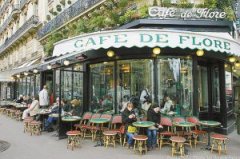
The encounter between Zhou Enlai and the Cafe of Flowers in Paris
The Flower Cafe, located at 172nd St. Germain Street in the sixth arrondissement of Paris, was built in 1887 because there was a statue of the ancient Roman goddess Flore in front of the door. (file photo) Planet Ye took out a map of Paris to mark the footprints of Zhou Enlai that year. Oral history narrator: Ye Planet Zhou Enlai, president of the French European History Society, in the 13th arrondissement of Paris in the 1920s.